On October 17, 1944, men of the 6th Ranger Battalion went ashore on the small islands that guard the entrance to Leyte Gulf. They were the first troops of the American invasion force to land in the Philippines.
Three days later, General Douglas MacArthur stepped from a landing craft into the surf off Red Beach, near the town of Palo on Leyte, and waded ashore. That afternoon he spoke into a radio microphone the words he had carried for two and a half years: “People of the Philippines, I have returned.”
It was a promise kept. But many of the men it was made for were not there to hear it.
In March 1942, under orders from President Franklin D. Roosevelt, MacArthur had left the island fortress of Corregidor by PT boat, bound for Australia. When he arrived, he told reporters, “I came through and I shall return.” Behind him, on Corregidor and on the Bataan peninsula across the water, he left an army of American and Filipino soldiers with no way out.
They had been fighting on Bataan since January. They held a line across the peninsula’s mountains and jungle on half rations, then less. Malaria and dysentery spread through the ranks, and the medicine to treat them ran short. No convoy was coming, and by spring most of the men knew it.
On April 9, 1942, Major General Edward P. King Jr., commander of the Luzon Force on Bataan, concluded that his men could not fight on. He surrendered them on his own authority. Some 75,000 American and Filipino soldiers became prisoners of war in the largest surrender in American military history.
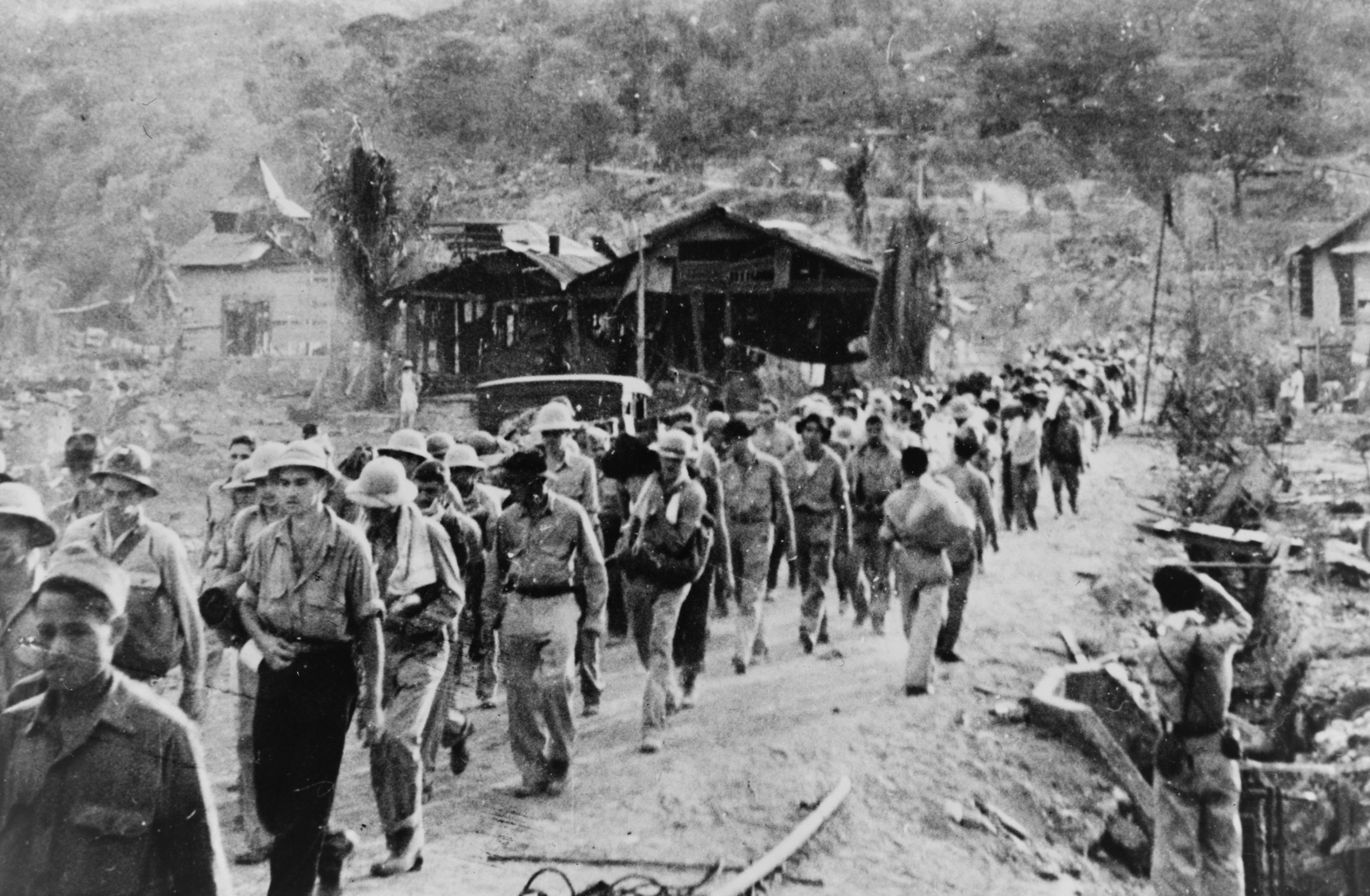
What came next was a horrific event that many of us remember to this day: the Bataan Death March.
The prisoners were marched north from Mariveles, at the southern tip of the peninsula, toward San Fernando in Pampanga, for days under the dry-season sun. Many were given little or no water. Men who fell behind were beaten, bayoneted, or shot. At San Fernando, the survivors were packed into boxcars for the ride to Capas, then marched again to Camp O’Donnell.
Hundreds of Americans and thousands of Filipinos died on the march. Many more died at O’Donnell in the months that followed.
MacArthur’s return came too late for them, but not for everyone. In January 1945, men of the same 6th Ranger Battalion that had led the way into Leyte Gulf moved behind Japanese lines to the prison camp at Cabanatuan. With Filipino guerrillas at their side, they brought out more than 500 prisoners. Many were survivors of Bataan.
April 9, 2027, will mark 85 years since Bataan fell. In the Philippines, the day is a national holiday, Araw ng Kagitingan, the Day of Valor. It is observed at the Shrine of Valor on Mount Samat, above ground, which saw some of the hardest fighting of the campaign’s final days.
The road north from Mariveles is still there, and markers along it still count off the kilometers. Next April, on our Ghost Soldiers of Bataan and the Hellships tour, guests will follow it, all the way from Kilometer Zero to Camp O’Donnell, and they will stand on Mount Samat on the anniversary itself.
Walk the Ground: Ghost Soldiers of Bataan and the Hellships
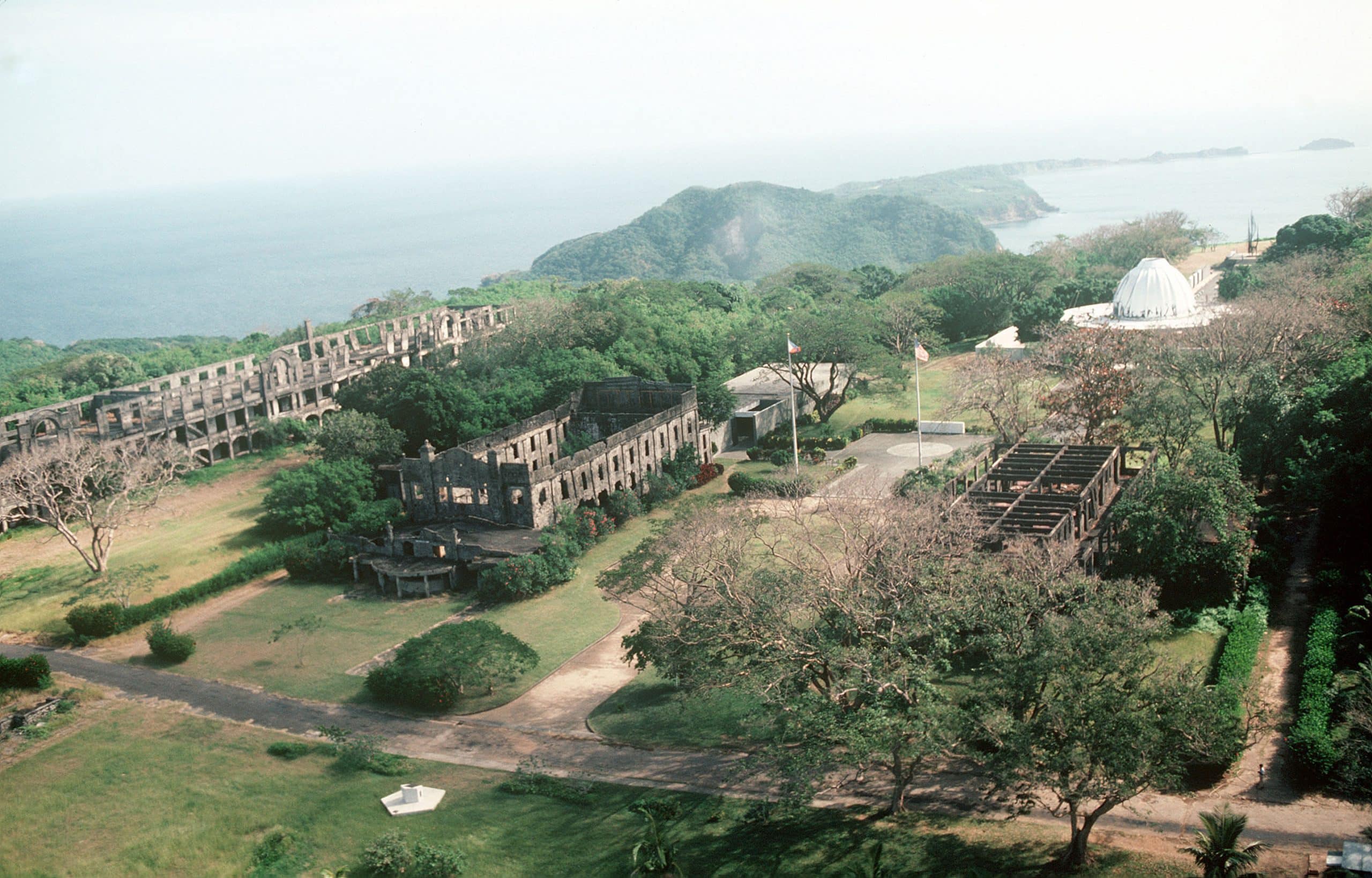
Our Ghost Soldiers of Bataan and the Hellships tour spends 13 days in the Philippines, on the ground of the largest surrender in American history and the captivity that followed it. Guests spend a day on Corregidor, among the gun batteries, the barracks, and the tunnels of Malinta Hill. They stand at Kilometer Zero in Mariveles and follow the route of the march north through the towns of Bataan.
On April 9, 2027, 85 years to the day after Bataan fell, guests visit the Shrine of Valor on Mount Samat. The route continues to the Hellships Memorial at Subic Bay, which honors the prisoners who died aboard Japanese transports; to the railway station at San Fernando and the Capas National Shrine, on the site of Camp O’Donnell; and to Cabanatuan, where the raid told in Hampton Sides’s Ghost Soldiers took place. After a visit to the Manila American Cemetery, the tour ends on Leyte, at Red Beach, where MacArthur came ashore on October 20, 1944.
Guests spend four nights at the Manila Hotel, where MacArthur lived before the war. April in the Philippines is hot and humid, and Corregidor and Mount Samat involve steps and uneven ground. As on every SAHT tour, a credentialed historian travels with guests throughout.
The tour runs April 5 to 17, 2027. Flights are not included.
Double occupancy: $6,790 per person. Single occupancy: $7,490 per person.


