My wife and I took the Battle of Britain and Dunkirk tour in 2025.
Our group was well taken care of by Hugh (the historian), Lisa (the quartermaster) and Rene (transportation), who were excellent hosts. Our seats for the Duxford Air Show were excellent. The education was very informative.
Hotel accommodations were comfortable and meals were excellent.
The tour met all of the highlights listed above.
I would like to take this tour again. But we are signed up for other SAHT tours in 2026 and 2027.
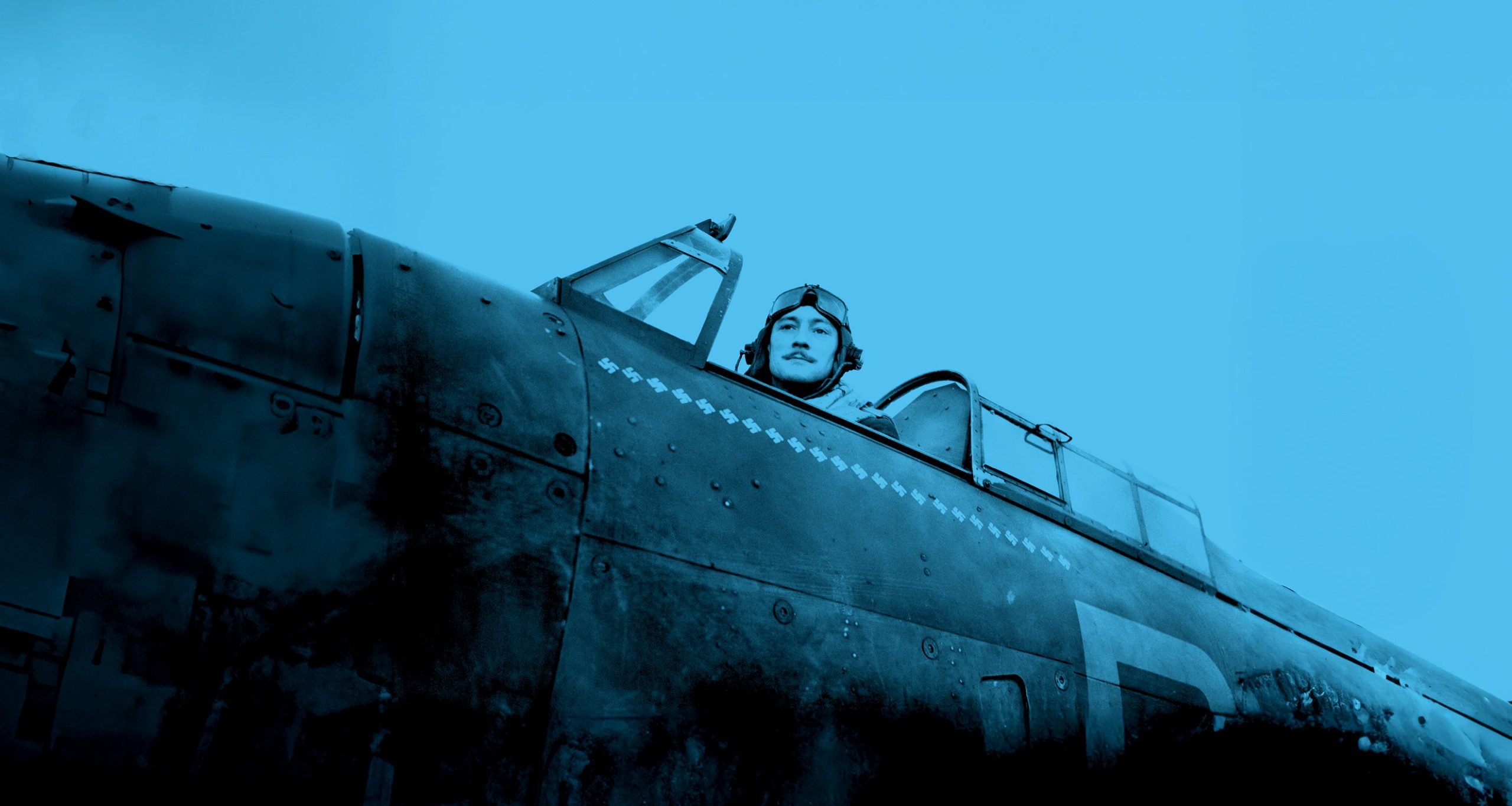
In the summer of 1940, Britain was the last unconquered country in Western Europe. France had surrendered on June 22. The United States was neutral. The Soviet Union, ten months earlier, had signed a non-aggression pact with Germany. The British Expeditionary Force had been driven into the sea at Dunkirk and evacuated home with most of its equipment abandoned on the beach. Hitler stood 21 miles from the white cliffs and expected Britain to ask for terms. What stopped him from asking was fewer than 3,000 RAF fighter pilots, average age 20, flying out of a handful of grass airfields in southeast England, and not all of them were British.
The pilots who won the Battle of Britain came from 14 nations. There were Poles whose country had been overrun the year before, Czechs whose country had been overrun the year before that, Canadians, Australians, New Zealanders, South Africans, Belgians, French, and a handful of Americans who broke their own country’s neutrality laws to come fight.
The Polish 303 Squadron, flying from RAF Northolt outside London, became the highest-scoring squadron of the entire battle. The Czech 310 and the Canadian 242 (commanded by the legless ace Douglas Bader) flew from Duxford to the north. By the time the battle ended on October 31, 1940, 544 of “The Few” were dead, and Britain had not been invaded. This tour walks the ground they fought over, on both sides of the Channel.
This tour is 10 days long, beginning in France and ending in London. It runs backwards through the BEF’s fighting retreat to Dunkirk, crosses the Channel, and follows the air war forward through the airfields, bunkers, and command rooms that won the summer of 1940. It is timed to land at IWM Duxford for the Battle of Britain Air Show, when the surviving Spitfires fly.
Along the way, you will:
- Walk the ground at Arras and Cambrai where, on May 21, 1940, the British 1st Army Tank Brigade attacked the flank of Erwin Rommel’s 7th Panzer Division and very nearly stopped him, a brief, desperate counterattack that gave the BEF the time it needed to begin pulling back to the coast.
- Follow the BEF’s 60-mile fighting retreat through Cassel, where the Gloucestershire Regiment held a rear-guard action against four German divisions, and through Esquelbecq, where on May 28, 1940, soldiers of the 1st SS Division murdered some 80 British prisoners after they had surrendered. It was a foretaste of what the SS would do across Europe.
- Visit the fortified town of Bergues, where 450 defenders held against overwhelming German assault until they were overrun, and the Canal de Bergues, where on June 1, 1940, Capt. Marcus Ervine-Andrews of the East Lancashire Regiment earned the Victoria Cross holding the line under fire until his men could withdraw across the water.
- Walk the half-mile concrete Dunkirk Mole, from which more than 200,000 of the 338,000 troops evacuated during Operation Dynamo (May 26–June 4, 1940) boarded ships home. Visit the battle-scarred walls of Saint Eloi Church, the Dunkirk Commonwealth War Graves Cemetery, and the Bray Dunes, where soldiers waited under Stuka attack for their turn.
- Cross the Channel by ferry to the White Cliffs of Dover, then descend into the bunker at Dover Castle, where Vice-Admiral Bertram Ramsay directed Operation Dynamo — four years before he commanded the naval landings at Normandy. Visit the Battle of Britain Memorial atop the cliffs at Capel-le-Ferne, where the new Scramble Experience simulates climbing into a Spitfire as the alarm sounds.
- Tour IWM Duxford behind the scenes, one of the most original Battle of Britain airfields in Britain, built by German POWs in 1918, and home in 1940 to 19 Squadron (the first to receive the Spitfire), the Czech 310 Squadron, and the Canadian 242 Squadron under Douglas Bader.
- Spend the next day at the Duxford Battle of Britain Air Show, with VIP marquee seating and flight-line access. The surviving Spitfires and Hurricanes (the actual aircraft type that won the battle) will fly overhead. Pay your respects in the morning at the Cambridge American Cemetery, where 3,811 American war dead, most of them Eighth Air Force airmen, are buried.
- Descend into the Battle of Britain Bunker at Uxbridge, 11 Group’s underground operations room, where fighters were vectored to incoming German raids. The plotting board has been restored to its exact appearance on September 15, 1940, Battle of Britain Day. After his August 16 visit, Churchill said in the car: “Never in the field of human conflict was so much owed by so many to so few.”
- Visit the Biggin Hill Heritage Hangar on the site of one of the most active Battle of Britain airfields, now a working Spitfire restoration center. Walk among Spitfires and Hawker Hurricanes being rebuilt by hand, alongside an original Messerschmitt 109 — the German fighter that opposed them in 1940.
- Visit Bentley Priory, the country house north of London where Air Chief Marshal Sir Hugh Dowding directed the entire Battle of Britain. Dowding’s Fighter Command — his radar network, his sector controllers, and the multinational squadrons including the Polish 303 at Northolt, the highest-scoring RAF squadron of the battle — was the first integrated air defense system in history.
- Walk Churchill’s wartime London with a Blue Badge guide — the Cabinet War Rooms where the Prime Minister and his cabinet ran the war from a basement near St. James’s Park, the Battle of Britain Monument on the Embankment, the bombed-and-rebuilt London Docklands, and St. Paul’s Cathedral, whose dome stood untouched in Herbert Mason’s famous photograph of the night the city burned around it.
- Conclude the tour with a private dinner at the Royal Air Force Club at 128 Piccadilly. The last of the Few, John “Paddy” Hemingway, died in March 2025 at the age of 105. The walls are full of squadron crests. The toast at this dinner now has new weight.
Most Americans’ memory of WWII begins on December 7, 1941. The summer of 1940 is treated as a prologue, a dark chapter before “we” got involved. It is more honest to call it the hinge. If the RAF had lost in September 1940, the war as Americans remember it does not happen: no D-Day, no Eighth Air Force, no Allied landings in North Africa or Italy or southern France.
The Reich consolidates Western Europe and turns east with its rear secure. Everything that comes later in our catalog of tours depends on what fewer than 3,000 fighter pilots, most in their early twenties, did in the skies over southeast England that summer.
By the end of these 10 days, you will not look at a Spitfire the same way. You will know what it took to put one in the air at Biggin Hill in August 1940: the radar net, the sector controller, the boy at the plotting table moving a wooden marker across the map, the pilot running across grass to a parked aircraft.
You will know the names of squadrons most Americans never learned: 303, 310, 242. You will know what “The Few” meant before the phrase was a slogan. And the war will not begin for you at Pearl Harbor anymore.
Highlights
Cambrai
Study the tank battles around Arras, France that almost stopped Erwin Rommel in his race to the Channel
Bergues
Explore the BEF retreat from Bethune to the coast
Dunkirk Harbor
Learn about the historic “mole” at Dunkirk Harbor, the jetty that enabled some 239,000 British and French soldiers to board the awaiting vessels and evacuate to England
Dunkirk
See Dover Castle and the wartime bunkers that Admiral Bertram Ramsey used as his headquarters during Operation Dynamo, the Dunkirk evacuation
Biggin Hill
Exclusive visit to the Biggin Hill Heritage Hangar
Duxford
Exclusive tour of IWM Duxford and VIP seating for Battle of Britain Air show
Bentley Priory
Visit to the Fighter Command Headquarters at Bentley Priory
London
Walking tour of Blitz London and an exclusive final dinner at RAF Club
Itinerary
You will join the group at the designated tour hotel at the Paris CDG hotel for a Welcome Reception followed by dinner at the tour hotel. Your historian will treat you to your first lecture, with introductions all around.
The Group will depart early in the morning for a short city tour of the French Resistance followed by a visit to the French Resistance Memorial in Arras. The group will then drive to Cambrai, discussing the early May tank Battles around Arras and Cambrai.
You will explore the BEF retreat from Bethune to the coast. Your stops include the BEF’s epic 60-mile fighting retreat and the stand made by six very badly depleted British battalions as they attempted to stop four German divisions. Your battlefield visits will include the important fortified town of Bergues, heavily bombarded by the Luftwaffe before its 450 defenders succumbed to assaults by overwhelming numbers of German troops. You will also study the Gloucester Regiment’s rear-guard action at Cassel, the village of Esquelbecq, where members of the 1st SS murdered some 80-plus British prisoners in a terrible foretaste of the SS’s later crimes throughout the war and the Canal de Bergues where Ervine Andrews earned the Victoria Cross.
Today you will tour the sites in and around the 25-mile long Dunkirk Perimeter including the battle-scarred walls of Saint Eloi Church, Dunkirk Commonwealth War Graves Cemetery, the Museum Dunkirk 1940, the Bray dunes and the famous Mole, the jetty from which the bulk of British and French soldiers evacuated during Operation Dynamo. This afternoon, you will take the ferry across the English Channel; your first view of England will be the famous White Cliffs of Dover.
After breakfast you will travel a short distance to Dover Castle, which has stood sentinel over Britain’s coast for centuries. Your visit will include a tour of the underground bunker complex that became Admiral Bertram Ramsay’s headquarters during Operation Dynamo. It was from here that Ramsay, who would later command Allied landing forces in Normandy, would organize the evacuation of more than 300,000 French and British troops that kept Great Britain in the fight.
From the castle it is a short drive to the splendid Battle of Britain Memorial, perched atop the White Cliffs. While there you will take part in the new “Scramble Experience.” This will give you a sense of what it was like to climb into a waiting aircraft such as a Spitfire or Hurricane at the height of the Battle of Britain. You will finish the day with a visit to the Kent Battle of Britain Museum and its vast collection of artifacts from over 700 crashed aircraft.
You will start the day at IWM Duxford where you will have an exclusive behind-the-scenes tour of the many museums on site as well as the remaining facilities in the most well-preserved World War II airfield in Europe. Built in 1918 by German POWs, Duxford is one of the most historic Battle of Britain airfields. In 1938 it saw 19 Squadron receive the first operational Spitfire Aircraft and it was from this airstrip that the 19, 242 and 310 (Czech) Squadrons operated as 12 Group under the command of the legendary Douglas Bader. These three groups were eventually joined by 302 (Polish) and 611 Squadrons.
This morning you will visit the Cambridge American Battle Monuments Commission Cemetery and Memorial where you will have an opportunity to pay your respects to the 3,811 Americans buried there.
The rest of the day is devoted to enjoying the Duxford Battle of Britain Air Show. The group VIP tickets will allow for reserved marquee, priority seating to enjoy the air show and flight line access.
You will travel to Uxbridge, which is home to the Battle of Britain Bunker. The fighters of 11 Group embarked from the Uxbridge Bunker for their operational missions during the most desperate days of the Battle of Britain. Your exclusive tour will take you deep underground to the heart of this previously top-secret facility to see the plotting board, restored to its exact appearance on September 15, 1940, Battle of Britain Day. Churchill was a frequent visitor to the bunker during the battle and it was after a visit on August 16, 1940, that he first uttered his famous phrase, “Never in the field of human conflict was so much owed, by so many, to so few.”
Then you will travel to Biggin Hill Heritage Hangar for an exclusive tour. Located on the site of one of the Battle of Britain’s most active airfields, the Heritage Center is a restoration facility dedicated to the preservation and restoration of the famous Spitfire fighter aircraft. You will witness restoration work in progress on several of the historic fighter planes as well as the equally important Hawker Hurricane and an incredibly rare Messerschmitt ME 109 German fighter.
Having spent your time studying the stories of individual airmen, this morning you will shift focus to the higher levels of command during the Battle of Britain. From London the first stop will be the Bentley Priory Museum. It was from Bentley Priory, the headquarters of Fighter Command, that Air Chief Marshal Sir Hugh Dowding commanded and, eventually became the victor. From the Priory Museum Then, you will travel to the Royal Air Force Museum, the former site of the Hendon Aerodrome. This state-of-the-art museum traces the history of the RAF from its founding in April 1918 as well as the history of aerial warfare. It has more than 100 rare and beautifully restored aircraft on display as well as other unique artifacts. From Hendon you will return to central London to take in many of the sites associated with the wartime British prime minister, including the Cabinet War Rooms, Parliament and Churchill’s favorite cigar and wine shop.
You will resume your study with the London Blitz, which includes a Blue Badge guided walking tour of Churchill’s London to see the key Battle of Britain sites. Among your stops will be the Battle of Britain Monument, St. Paul’s Cathedral and the London Docklands, the target of much German bombing. Appropriately, you will conclude your study of Dunkirk and the Battle of Britain with a private dinner at the exclusive RAF Club in London.
There will be one morning transfer provided to London’s Heathrow Airport (LHR) to catch your flight home.
Let us know you’re interested!
Tour Includes
- Professional historian traveling with you throughout the tour, lecturing and answering questions
- Tour manager to handle guest needs and on-the-ground logistics
- Educational road book of maps and historical information
- 3 or 4-star hotel accommodations
- Rooms with private bath or shower
- Hotel taxes and service charges
- Touring by private first class, air-conditioned motor coach
- Daily breakfasts, some lunches, most dinners
- All entrance fees to museums and attractions
Flights
Flights are not included in the cost of the tour.
Flights
Flights are not included in the cost of the tour.
Activity Level
This tour requires walking on uneven terrain— beaches, cobblestone streets and fields.
If you use a wheelchair, please read our Wheelchair Policy.
Recommended Reading
- With Wings Like Eagles: A History of the Battle of Britain by Michael Korda
- The Battle of Britain: Five Months That Changed History, May-October 1940 by James Holland
Customize this Tour
If you would like to customize this itinerary for your alumni travel association, educational organization, high school, family or other private group, please see our private tours page.