


This site is protected by reCAPTCHA and the Google Privacy Policy and Terms of Service apply.
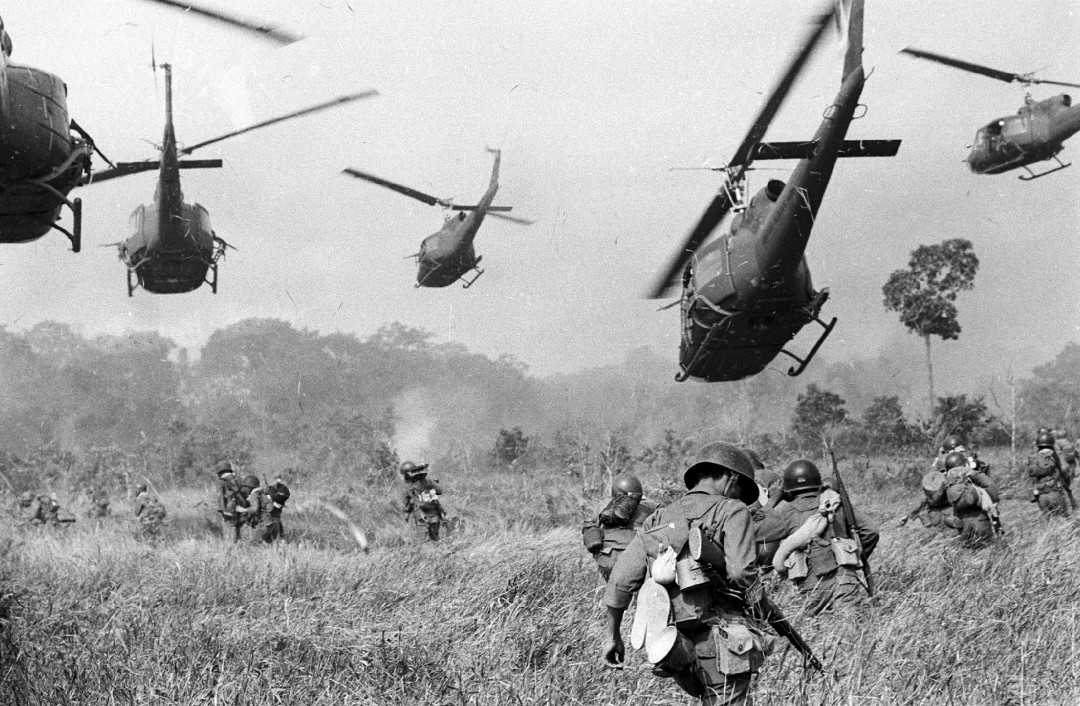
Vietnam evokes vivid images of jungles, helicopters, and distant battlefields, holding different meanings for each generation. For many Americans, French, and Vietnamese, it was a place where loved ones were forever changed or lost, a war witnessed nightly on television and now remembered through films and games. Today, Vietnam is a thriving country attracting travelers and digital nomads, yet the war remains a symbol of military overreach, public fatigue, and the limits of foreign intervention.
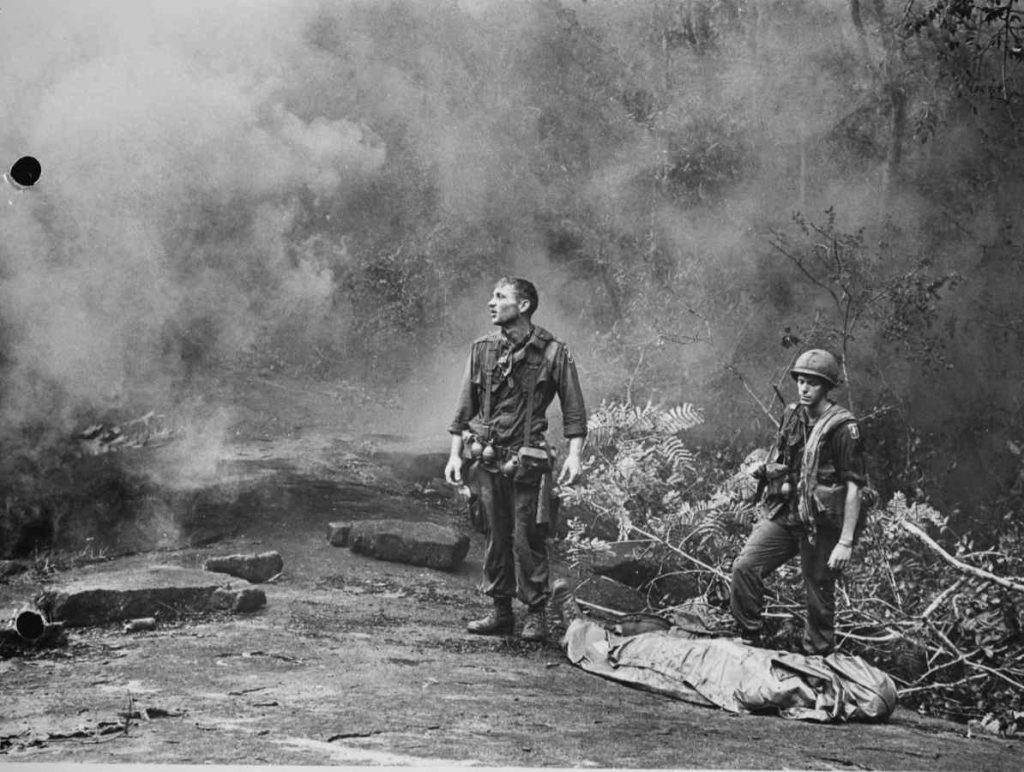
As the first American conflict extensively broadcast from the front lines, Vietnam reshaped both warfare and media. U.S. involvement spanned nearly three decades, ending with the fall of Saigon in 1975. LTC John Paul Vann captured its complexity, saying, “We do not have twelve years of experience, but one year twelve times.”
On this tour, you will explore this multifaceted war—from Hanoi through the key regions and battles—revealing the ever-changing nature of the conflict depending on where and when it was fought.
Highlights
Hỏa Lò Prison (The Hanoi Hilton)
Central prison for downed American airmen from the Gulf of Tonkin affair until the end of the war, and the site of Senator John McCain’s imprisonment during the war.
Khe Sanh
Site of a brutal six-month siege of USMC forces. Used as a distraction before the 1968 Tet Offensive.
Hue
Often called one of the turning points of American opinion for the war in Vietnam.
Ia Drang Valley
The first large-scale American battle against the North Vietnamese Army in the South. This battle was made famous by the Mel Gibson movie “We Were Soldiers.”
Ap Bac
Battle that directly led to an increase of American involvement in what until that point had been a Vietnamese Civil War.
Saigon (Ho Chi Minh City)
War-time capital of the South Vietnamese Government and the site of the last battle of the war in 1975.
Itinerary
You will join the other guests at the designated hotel.
Your Historian will give an introductory lecture on the Vietnam War to provide context for your upcoming site visits.
You will visit the newly opened Vietnam Military History Museum, which offers a comprehensive overview of Vietnam’s military history.
Later you will explore the Ho Chi Minh Complex, including the wartime command bunker, Ho Chi Minh’s modest traditional-style residence, and the Mausoleum where he lies in state.
You will start your day at the Ho Chi Minh Trail Museum which highlights the critical transportation and resupply efforts that sustained North Vietnam’s forces during the war.
You will follow this with a visit the B-52 Victory Museum detailing North Vietnam’s defense against American air raids, and the notorious Hỏa Lò Prison or ‘Hanoi Hilton’, where American POWs were held during the conflict.
You will board an evening flight to Hue.
You will visit Khe Sanh Combat Base, a key U.S. Marine Corps outpost near the Laotian border and the site of a dramatic six-month siege that drew national attention during the war.
After this visit you will continue to the historic Dong Ha Bridge, where Major John Ripley, USMC, heroically rigged and destroyed the bridge under heavy fire to halt a major North Vietnamese advance during the 1972 Easter Offensive.
You will explore Hue, the site of one of the most intense fights of the 1968 TET offensive, the old citadel being taken and held for days by groups of North Vietnamese and South Vietnamese communist forces.
Travel along the Hai Van Pass, a strategic point on Highway 1—once dubbed the “Street Without Joy”—where U.S. forces maintained a stronghold to protect the critical supply route between the DMZ and Da Nang.
In Da Nang, see the site of the former “China Beach” R&R Center, home to one of the largest U.S. airbases and military hospitals in South Vietnam.
You will see the sleepy village of My Lai, one of the most widely publicized incidents of the killing of Vietnamese civilians during the war.
The footprints of the town have been preserved, and you can track the actions of that fateful morning of March 16, 1968.
Visit Ia Drang Valley; the site of the first major large-scale battle between American forces and the North Vietnamese Army in the South.
This pivotal clash was later popularized by the film We Were Soldiers, highlighting its significance in the Vietnam War.
Today you will explore the War Remnants Museum located in the heart of the old quarter in Saigon that explains the war from a Vietnamese perspective.
You will see the former Armed Forces Radio Vietnam Station, immortalized by Good Morning, Vietnam and home to famous DJs like Adrian Cronauer and Pat Sajak, which was also a key guerrilla target during the war.
Later, you will see the Former US Embassy, made famous in February of 1968 when several
communist guerrillas attempted to storm and take over the compound.
You will also visit the Presidential Palace. The former seat of the South Vietnamese Presidency and the famous scene of a tank busting through the front gates on 30 April 1975, seen around the world, and the end of the Vietnamese War.
You will see Ap Bac; the site of a key battle between South Vietnamese forces and local communist fighters, marking a turning point that led to increased U.S. military involvement and the rise of LTC John Paul Vann, as chronicled in A Bright Shining Lie.
Nearby, the Cu Chi Tunnels offer a glimpse into the extensive underground network used by communist forces in the Iron Triangle north of Saigon.
Flight Home
Dien Bien Phu Pre Tour Extension
Arrive in Hanoi and join the group at the designated hotel. Your first event will be a group dinner.
Visit the Hanoi Flag Tower – built in 1805, it was a symbol of the Vietnamese Nguyen Dynasty’s military might. Following the French invasion in 1896, it became part of the French
garrison headquarters in Hanoi.
You will tour the Dien Bien Phu Museum offers detailed exhibits, artifacts, and dioramas that trace the course of the 1954 Dien Bien Phu Battle, giving you a clear picture of the strategies, hardships, and turning points of the conflict.
At the General Giap Headquarters, tucked in a secluded jungle area, you’ll see the preserved command bunker where General Vo Nguyen Giap directed operations, providing an intimate look at the decision-making hub of the Viet Minh forces.
See the key French strongpoints Beatrice, Gabrielle, and Dominique – positioned around the Dien Bien Phu valley to protect the vital airstrip. These fortified positions became the initial focus of intense Viet Minh attacks, setting the stage for the fierce and prolonged fighting that would engulf the valley.
Dates & Prices
Dates
Double Occupancy
Single Occupancy
Extensions
Dien Bien Phu Pre Tour Extension
- 23404 - SKU: 683-1
Dates: Oct 24-27, 2026
Price Double Occupancy:
$2,070 per person
Single Occupancy:
$2,300 per person
Extensions
Dien Bien Phu Pre Tour Extension 2027
- 23770 - SKU: 683-1-1
Dates: Oct 23-26, 2027
Price Double Occupancy:
$2,070 per person
Single Occupancy:
$2,300 per person
Tour Includes
- Professional historian traveling with you throughout the tour, lecturing and answering questions
- Tour manager to handle guest needs and on-the-ground logistics
- Flights within Vietnam
- Guest visas
- 3 or 4-star hotel accommodations
- Rooms with private bath or shower
- Hotel taxes and service charges
- Touring by private first class, air-conditioned motor coach
- All breakfasts, some lunches, most dinners
- All entrance fees to museums and attractions
Flights
- Flights to and from the tour are not included in the cost.
Flights
- Flights to and from the tour are not included in the cost.
Activity Level
This tour involves moderate activity, with full days spent walking through museums, historic sites, former battlefields, and memorials—often on uneven ground and in warm, humid jungle-like climates common throughout Vietnam. Travelers should be prepared for extended periods of standing, outdoor touring, and tropical heat, though no strenuous hiking or high-intensity activity is required.
If you use a wheelchair, please read our Wheelchair Policy.
Customize this Tour
If you would like to customize this itinerary for your alumni travel association, educational organization, high school, family or other private group, please see our private tours page.