


This site is protected by reCAPTCHA and the Google Privacy Policy and Terms of Service apply.
Battle of Okinawa: The End of Japan’s War
Length of Tour:
11 days | 10 nights
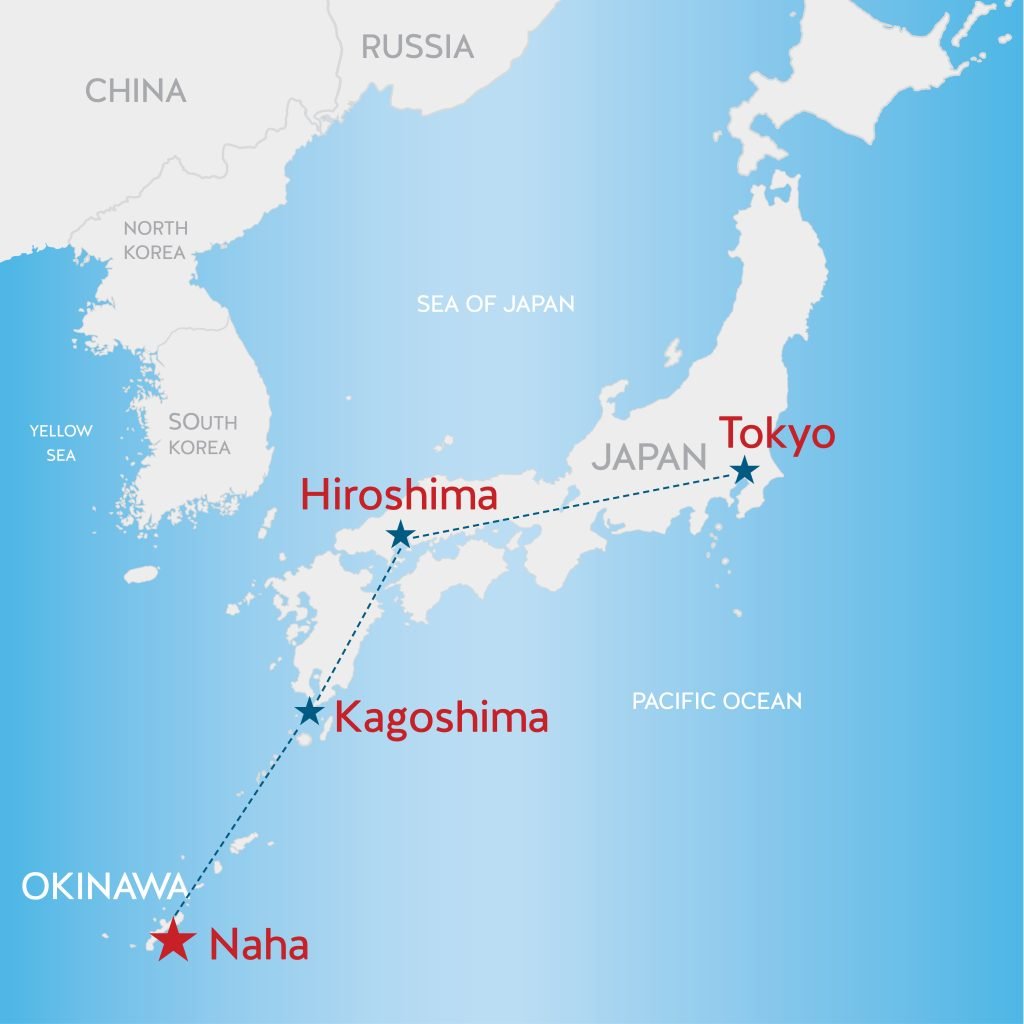
Japan: Okinawa, Kagoshima, Hiroshima, Tokyo
The Battle of Okinawa: The End of Japan’s War Tour covers the final battles of World War II, providing you with an understanding of how this historic battle affected the soldiers, sailors, and Marines who fought it as well as the Okinawan civilians. You will travel to Japan to visit the places that made the conflict’s closing months infamous: Okinawa, Kagoshima, Hiroshima, and Tokyo. These places did not simply dominate the headlines of calendar year 1945 – they gave rise to the balance of power that defines the contemporary trans-Pacific.
Your journey will begin with a comprehensive tour of Okinawa before traveling on to the Japanese “Home Islands” of Kyushu and Honshu, and its biggest city, Tokyo. Among the notable sites you will see is the storied Hacksaw Ridge, where the Army’s 77th Division encountered a treacherous escarpment heavily fortified with Japanese soldiers, and one conscientious objector earned the Congressional Medal of Honor for saving the lives of 75 men. You will also visit Hiroshima’s Peace Memorial Park, providing you time to reflect on how the atomic bomb not only changed the city’s history, but the history of the entire world as well.
Highlights
Hacksaw Ridge
Visit the site of the Urasoe-Maeda Escarpment battle where the Desmond Doss Medal of Honor action took place
Toguchi Beach
See where the men of the 5th Marine Regiment, 1st Marine Division, landed during the opening day of Operation ICEBERG – the Okinawa landings
Yomitan Airfield
Tour the Japanese Imperial Army airfield that eventually became the largest U.S. airfield on Okinawa and remained a critical installation through the end of the war
Kanoya Air Base
Explore this large Japanese Maritime Self-Defense Force air base, home to the only remaining, intact Kawanishi H8K “Emily” flying boat, the type the Japanese used during the second bombing of Pearl Harbor in 1942
Island of le Shima
Travel to this island three miles off Okinawa’s coast, where the U.S. Army’s 77th Infantry Division fought an intense battle during Operation ICEBERG and where a Japanese bullet killed the legendary war correspondent Ernie Pyle
Hiroshima Peace Memorial Park
Reflect at the memorial and museum located at the site of where the first atomic bomb was used in combat, changing world history on August 6, 1945 and bringing an end to the War in the Pacific
Edo-Tokyo Museum
Experience and learn about various aspects of earlier Tokyo, including exhibits that illustrate life before 1945 from both the military and civilian perspectives
Itinerary
After arriving at Naha International Airport in Okinawa, Japan, you will make your way to the designated tour hotel, where you will gather with your fellow guests and historian for a welcome reception and dinner.
Your tour begins where the battle began – on the invasion beaches of the island’s East China Sea coast. You will visit the spot where Eugene B. Sledge and the 3rd Battalion, 5th Marines landed on Toguchi Beach on L-Day: Sunday, April 1, 1945. From there, you will travel to the site of Yomitan Airfield, Shimuku Gama Cave, where 72-year-old Heiji Higa saved over 1,000 Okinawan civilians by preventing them from committing mass suicide, and then Chibi Chiri Cave, where lives were not similarly saved. Understanding how the battle affected Okinawan civilians is as important as understanding how soldiers, sailors, and Marines fought it.
Today, you will board a ferry for the short trip to le Shima, where the U.S. Army’s 77th Infantry Division fought an intense battle against Japanese defenders and later established a critical airbase. You will also visit the spot where, on April 18, 1945, the well-known war correspondent Ernie Pyle was killed by a Japanese bullet. The fighting on le Shima is an essential chapter in the broader story of Operation ICEBERG.
The U.S. Army’s 96th Infantry Division turned south the week after it landed on the island’s west coast and quickly ran into powerful enemy resistance in the concealed and heavily fortified Japanese positions on Kakazu Ridge. You will begin the day here before moving on to the next significant terrain feature: Hacksaw Ridge. This is where soldiers from the Army’s 77th Division encountered even stronger opposition, and one conscientious objector named Desmond Doss earned the Congressional Medal of Honor for saving the lives of 75 men during the Battle of Okinawa.
The day ends with a visit to the Former Japanese Naval Headquarters, the underground complex where Imperial Japanese Navy forces made their last stand on the island.
Your last day on Okinawa will examine the closing phase of the battle. You will visit three locations on the island’s southern end.
With the collapse of the Shuri Line north of Naha in late May, U.S. forces pushed the Japanese into the rolling countryside around Itoman, which is where the fighting ultimately came to an end. You will visit the Okinawa Prefectural Peace Memorial Museum, which is located close to the Japanese 32nd Army’s last command post and, therefore, the place where Lieutenant General Mitsuru Ushijima committed ritual suicide on June 22, 1945. Nearby, the Himeyuri Cenotaph memorializes a cave where 222 students and 18 teachers from two girls’ schools served as a reserve medical corps throughout the battle. This place provides a powerful reminder of the way that the Pacific War began producing civilian casualties on a vast scale during its final twelve months. The last stop of the day visits the site where Japanese artillery fire killed Lieutenant General Simon Bolivar Buckner, Jr. on June 18, 1945.
With the conclusion of the day’s historical program, the group will transfer to the airport for our group flight to Kyushu.
Your study of the Battle of Okinawa continues today during a visit to the Chiran Peace Museum. Between April 1st and July 28th, hundreds of kamikaze pilots flew from the Japanese Imperial Army airbase located here. They brought a new dimension of brutality to the air and sea campaign that produced the high cost of the battle. They also provided a powerful indication of what could be expected during the forthcoming invasion of the Japanese home islands that, thankfully, never happened.
Next you will visit Kanoya Air Base – a modern Japanese Maritime Self-Defense Force aerodrome that was used by Imperial Navy kamikazes during the campaign. Together, Chiran and Kanoya provide the best place to remember the impact of the kamikaze on the Pacific war. Kanoya is also home to the only surviving Kawanishi H8K flying boat – the type of Imperial Navy long range maritime patrol aircraft responsible for the second attack on Pearl Harbor in 1942.
You will start the day with the experience of traveling by Shinkansen “bullet train” to Hiroshima. You will learn about the defense of the city of Hiroshima and why this city was selected to be a bomb city.
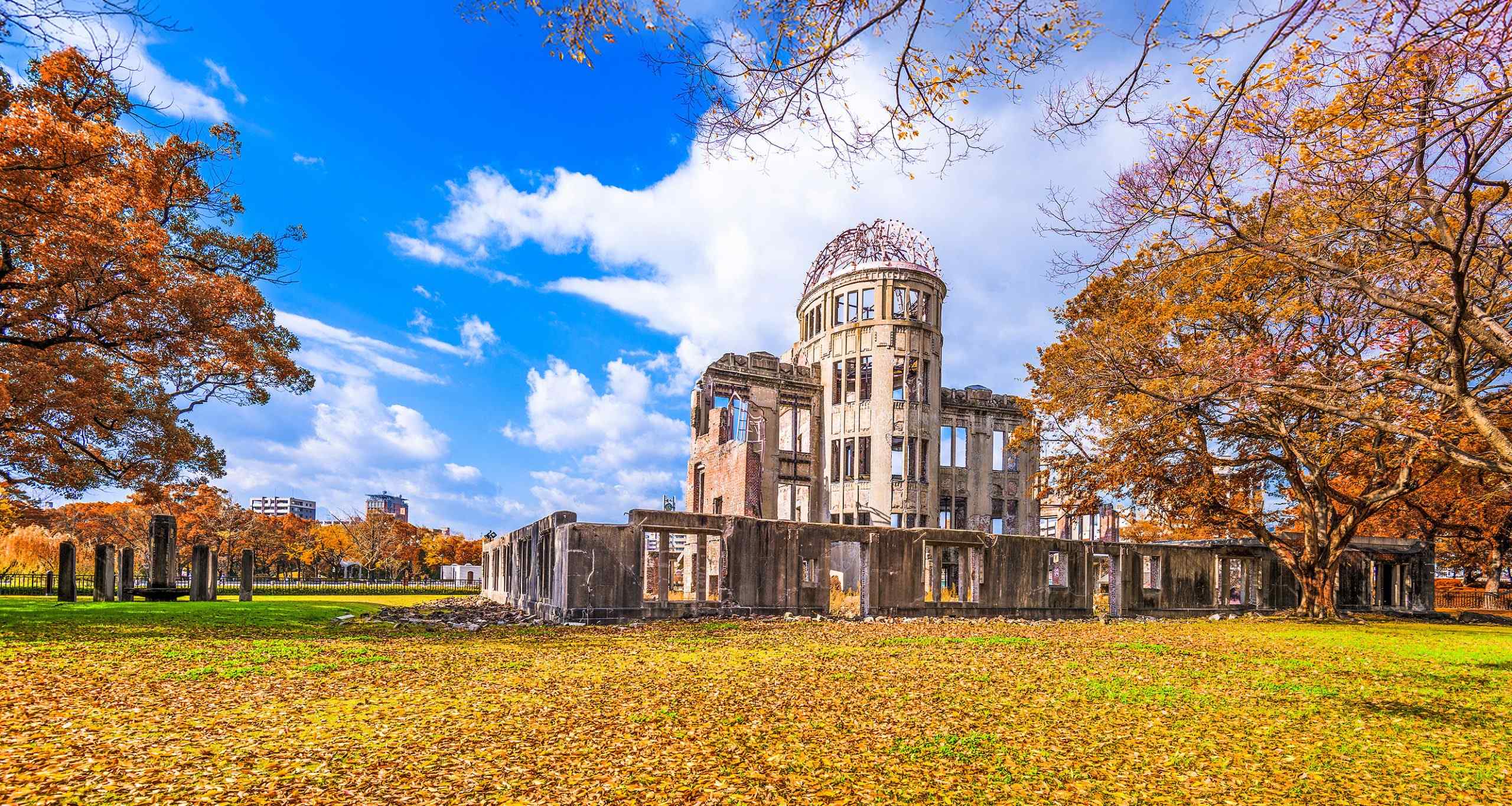
Your study of history will focus on the events of August 6, 1945, when an atomic bomb fell on the city. You will visit the Chugoku Military District Air Defense Headquarters bunker in Hiroshima Castle, which transmitted the earliest news of the explosion that devastated the city. You will end the day with a visit to the remains of the Hiroshima Imperial General Headquarters: the complex was initially built in 1894 and served as the headquarters of the 5th Division.
At 0815 on a hot August day, a second sun lit up the Japanese countryside around Hiroshima. By that afternoon, word would reach the Imperial household but little could be believed about the extent of the destruction that was being reported from what appears to have been just one bomb.
This morning you will visit Hiroshima’s Peace Memorial Park, the Peace Memorial Museum and the Hiroshima Prefectural Industrial Promotions Hall “A-bomb Dome” to provide context for not just how the atomic bomb changed the city’s history, but the history of the entire world as well.
The group will then transfer to the airport for a short flight to Tokyo.
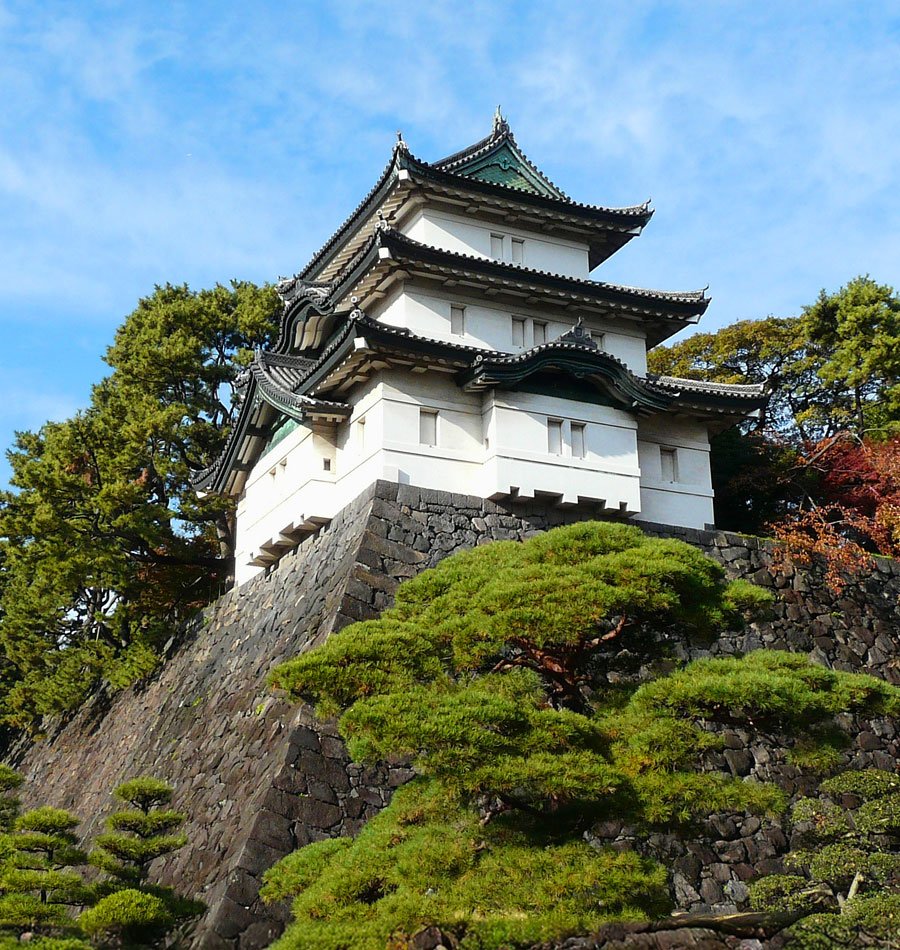
August 14 and 15, 1945, marked the turning point of Japanese history during the 20th Century. Today, your historian will lead you through that story while touring the heart of the city where it happened. From the grounds of the Imperial Palace and the former Headquarters of the Imperial Guard Division to the Yasukuni Shrine, you will visit sites of venerated significance in Japanese history. At the nearby Yushukan Museum, you will learn more about the era of militarism that put Japan on a collision course with the Second World War, and at Chidorigafuchi National Cemetery, you will see the high cost of it all.
With the surrender of Japanese forces in Tokyo Bay on Sunday, September 2, 1945, the shooting war came to an end and a complicated post-war era began. A signed copy of the document that made this official is displayed in the Edo-Tokyo Museum, and you will see it during your visit this morning. Situated in Tokyo’s Sumida City, this museum preserves the city’s cultural heritage up to and including the war years. This is also a part of Tokyo that burned to the ground during the Operation Meetinghouse firebombing raid in March 1945, providing one last opportunity to consider the way that strategic bombing exerted a powerful influence over the inevitable conclusion of the War in the Pacific.
This evening, you will gather with fellow guests for a farewell reception and dinner, giving you a moment to reflect on your shared experience.
You can catch your flight home from from Tokyo Narita International Airport (NRT) or Tokyo Haneda International Airport in the morning – however, there will only be one airport transfer included which will take you to the Haneda airport. If you choose to fly out of the Narita airport you will be responsible for your own transport.
Dates & Prices
Dates
Double Occupancy
Single Occupancy
Tour Includes
- Professional historian traveling with you throughout the tour, lecturing and answering questions
- Tour manager to handle guest needs and on-the-ground logistics
- Educational road book of maps and historical information
- First-class accommodations in four or five-star hotels
- Hotel taxes and service charges
- Touring by air-conditioned motor coach
- A Welcome Reception, daily breakfasts, and several lunches and dinners
- All entrance fees to museums and attractions
Flights
- Flights to and from the tour are not included but all flights during the tour are included.
- Once you have been confirmed on the tour, a customer service team member will reach out to you to assist with your flight arrangements.
Flights
- Flights to and from the tour are not included but all flights during the tour are included.
- Once you have been confirmed on the tour, a customer service team member will reach out to you to assist with your flight arrangements.
Activity Level
As with all of our tours, we prefer to spend our time on the battlefields. There will be some museum stops, but please be prepared to walk on sandy beaches, through lush foliage and on busy city streets. Please prepare for up to a mile and a half of walking, broken up through the day.
If you use a wheelchair, please read our Wheelchair policy.
Recommended Reading
- Okinawa: The Last Battle of WWII by Robert Leckie
- Hiroshima Notes by Kenzaburo Oe
- The Rising Sun: The Decline and Fall of the Japanese Empire, 1936-1945 by John Toland
- Japan at War in the Pacific: The Rise and Fall of the Japanese Empire in Asia by Jonathan Clements
- Tokyo 1944-45: The destruction of Imperial Japan’s Capital by Mark Lardas
Customize this Tour
If you would like to customize this itinerary for your alumni travel association, educational organization, high school, family or other private group, please see our private tours page.

Pearl Harbor Anniversary
Join us on our Pearl Harbor Anniversary Tour to honor the sacrifice and heroism of those who served and lost their lives in the attack on December 7, 1941. Led by a historian who is an expert on the War in the Pacific, as you visit Schofield Barracks, Wheeler Army Airfield and Ford Island you... Read More >
War in the Pacific: Operation Forager
Travel to the islands where the battles raged on the land, air and sea on our WWII in the Pacific: Northern Marianas Tour: Saipan, Tinian, Guam, Iwo Jima. Read More >

Manhattan Project
Our exclusive Manhattan Project Tour takes you on a journey through the Manhattan Project National Historic Park System. You will follow the progress of the making of the atomic bomb from its early stages at Oak Ridge, Tennessee, to the B Reactor in Hanford, Washington, to the Los alamos National Laboratory where the bombs were... Read More >